Chapter 06
Six steps — described as a possibility, not a programme.
People often ask what actually happens. The account below describes how work of this kind may unfold. It is written in the conditional deliberately: not every individual follows this sequence, some steps may be revisited, and for some people the honest conclusion of step three is that this is not the right route.

The sequence
How the work may proceed
Initial conversation
The first conversation is about understanding what is actually being described. That usually covers current concerns in specific terms, the personal goals the individual has in mind, their expectations of what this might involve, any questions they want answered before going further, and the relevant circumstances surrounding all of it.
Questions are welcome at this stage, including sceptical ones. A person who wants to know what the basis for something is, or what happens if it does not work, is asking exactly the right things.
Understanding individual context
Each person’s experience can be influenced by different factors: previous experiences, current stress, environment, existing support, health circumstances, and what has already been tried. Two people arriving with the same description may be in entirely different situations once this is explored.
This step is not an assessment or a diagnosis. It is an attempt to understand the shape of the individual situation well enough to have a sensible conversation about what, if anything, might be appropriate.
Considering suitability
Hypnotherapy may not be suitable for every person or every concern. Individual circumstances should be considered carefully.
This step exists because it is the point at which the answer may reasonably be “not this”, or “not this yet”, or “this only alongside something else”. Where a concern would be better addressed through medical, psychiatric or psychological assessment and care, saying so is the appropriate outcome of this conversation — not a failure of it.
Where someone is already working with another professional, discussing how anything additional would fit alongside that is part of considering suitability rather than an afterthought.
Guided work
Where the individual chooses to proceed, and where it is considered appropriate, sessions may involve relaxation, focused attention, guided imagery, personal reflection and therapeutic suggestion, in whatever combination suits the person and the goal they have described.
The specifics depend on the individual’s circumstances and on the approach taken. Nothing about this stage is standardised, and nothing about it promises a result. What can reasonably be said is that the individual sets the pace and can stop at any point.
Reflection
Reviewing what was experienced, what was noticed, and what — if anything — seems different. This includes noticing where there has been no change, which is information rather than a disappointment to be talked around.
Individual responses vary considerably. Some people report noticing something quickly; others report nothing for some time; others report changes in one area and none in another. All of these are ordinary and none of them predict what follows.
Next steps
Possible next steps may include further sessions where appropriate, a period of personal reflection without further sessions, discussion with other qualified professionals, or exploring alternative approaches that may be better suited.
Deciding to stop is a legitimate outcome and does not require justification. So is deciding that a different form of support is the better fit.
Not every individual follows the same process. The number of steps, their order, how long each takes, and whether they occur at all depend on personal circumstances. No number of sessions is implied by the six headings above, and none is promised.
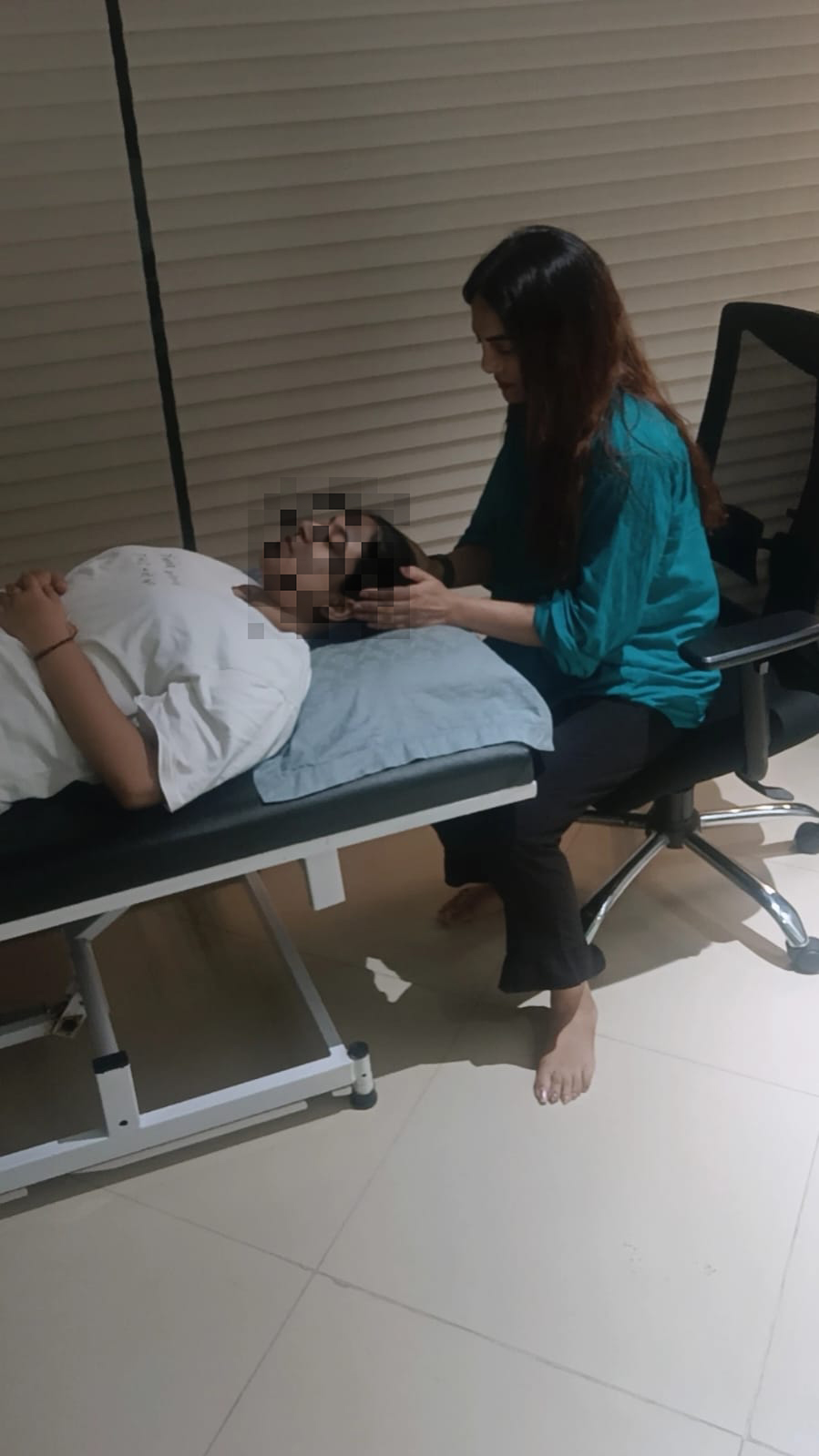
What to expect in the room
Ordinary conditions, clearly explained
Sessions take place in a straightforward setting: a chair or couch, a conversation, and an agreed focus. There is nothing theatrical about it, and anyone expecting the version portrayed in films is usually surprised by how unremarkable it looks.
What should be consistent, regardless of practitioner, is that the individual knows what is going to happen before it happens, is asked rather than instructed, and can pause or stop without needing to explain themselves.
Confidentiality is a part of this. No client stories, testimonials, photographs or identifying details are published on this website, and none appear anywhere on this site.
Reasonable things to ask
- What will actually happen during a session?
- What is this approach based on, and what are its limits?
- What happens if I do not notice any change?
- Would another form of support be more appropriate for me?
- How does this fit alongside the care I am already receiving?
- Can I stop at any point?
A practitioner who is uncomfortable with these questions is telling you something useful.
Setting expectations
What this account does not mean
Describing a process in six clear steps can create an impression of certainty that the subject does not support. So, plainly:
Completing these steps does not mean a fear will be removed. It does not mean a fear will be reduced. It does not mean anything will change on a particular timescale, or at all. Progress and outcomes can vary between individuals, and this website makes no claim about what any particular person will experience.
What the sequence does describe is a considered, transparent way of approaching the question — including a built-in point at which the honest answer may be that a different route is more appropriate.
Do not start, stop, or change prescribed medication without consulting an appropriately qualified prescribing healthcare professional.
Nothing described on this page is a reason to alter prescribed treatment, and no practitioner of hypnotherapy should advise otherwise.
If you are already receiving support from a doctor, psychiatrist, psychologist or another professional, that care continues to take precedence. Anything additional should be discussed with them so that it fits sensibly alongside what is already in place.
Continue reading
Before making an enquiry
Safety, Suitability & Support
Suitability, other professional support, medication, memory, and making an informed decision.
08About Vibha Jain
Experience, professional approach, and what an individual can expect from the way sessions are structured.
09FAQs
Including how many sessions may be required, and whether hypnotherapy can replace medical or psychological treatment.
Step one is a conversation.
You can contact Vibha Jain to discuss your enquiry and whether this approach is appropriate to your circumstances.